
2024
Event Booking App Definition & Design
Structuring Social & Wellness Events
Background
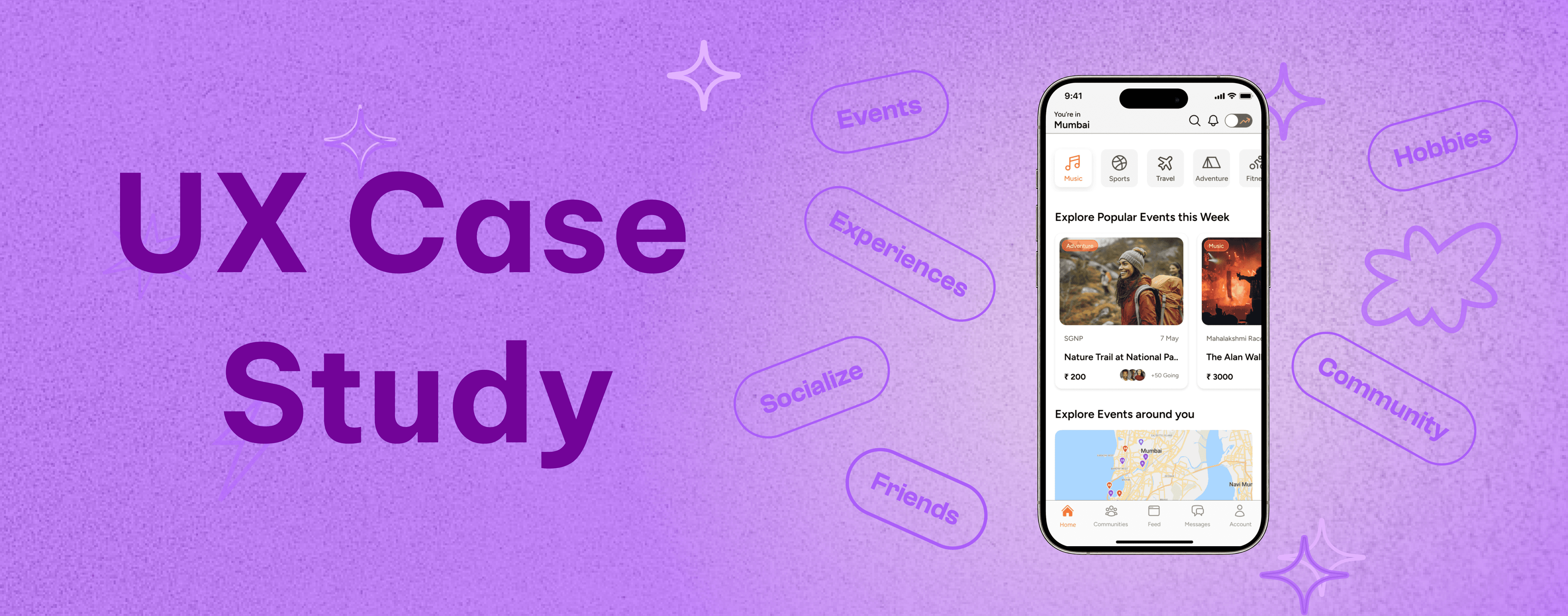
This case study focuses on the initial design and definition (greenfield project) of a mobile Event Booking App. The goal was to launch a new product that shifts the focus from purely transactional booking to building community and encouraging repeat engagement (building your 'Tribe'). My process was rooted in deep user understanding, moving from initial market definition to validation of the core experience.
Problem Statement
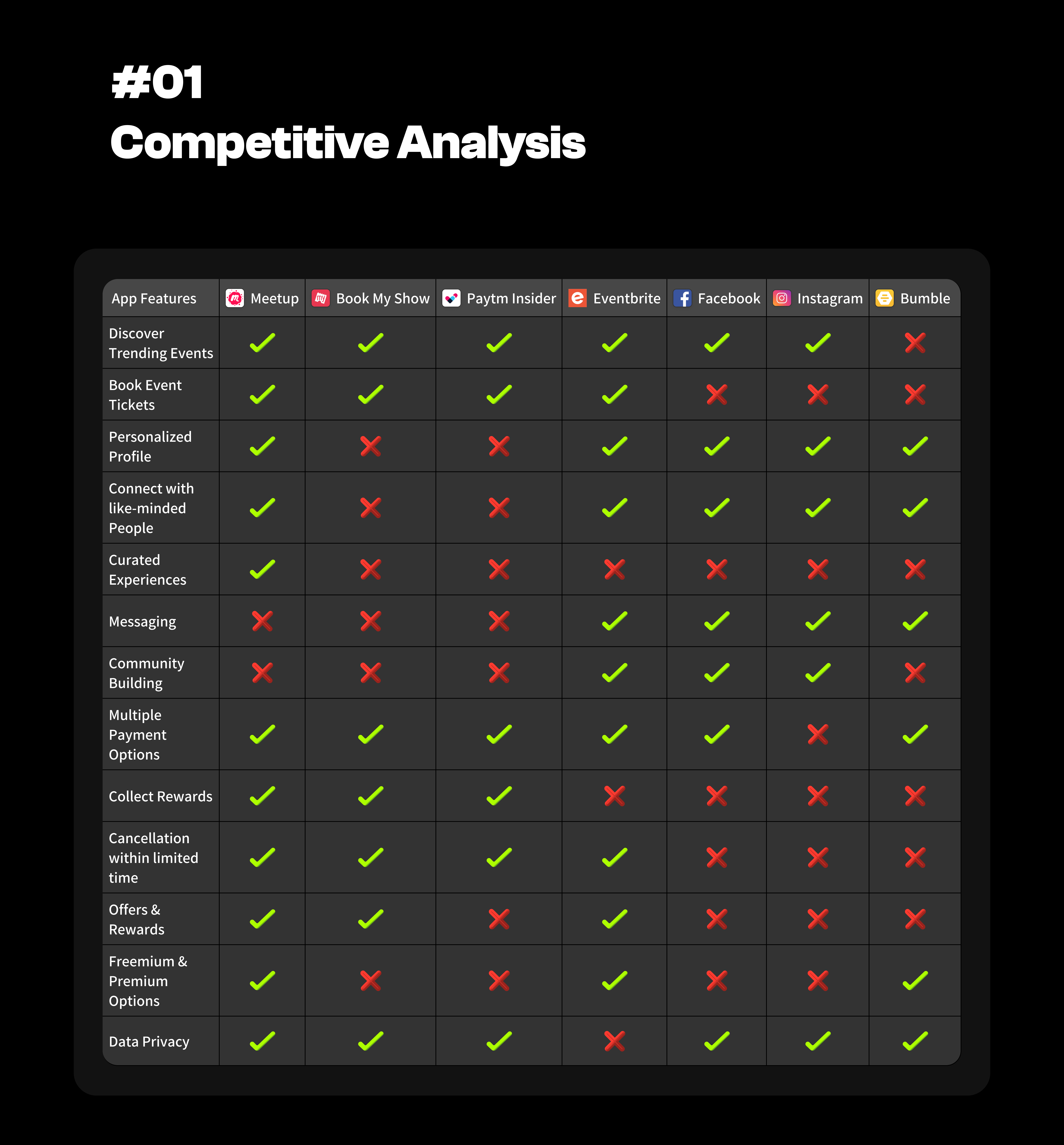
The opportunity was rooted in solving a market need: existing event platforms were generally transactional and lacked features for social connection or repeat usage in the Wellness & Lifestyle space. No dominant platform effectively catered to users seeking to join or form consistent social groups ('Tribes') around shared wellness, lifestyle, or professional interests. Existing solutions were designed for single-event sales, lacking the sticky features needed to drive high Daily Active Users (DAU) and long-term retention.
Target Users
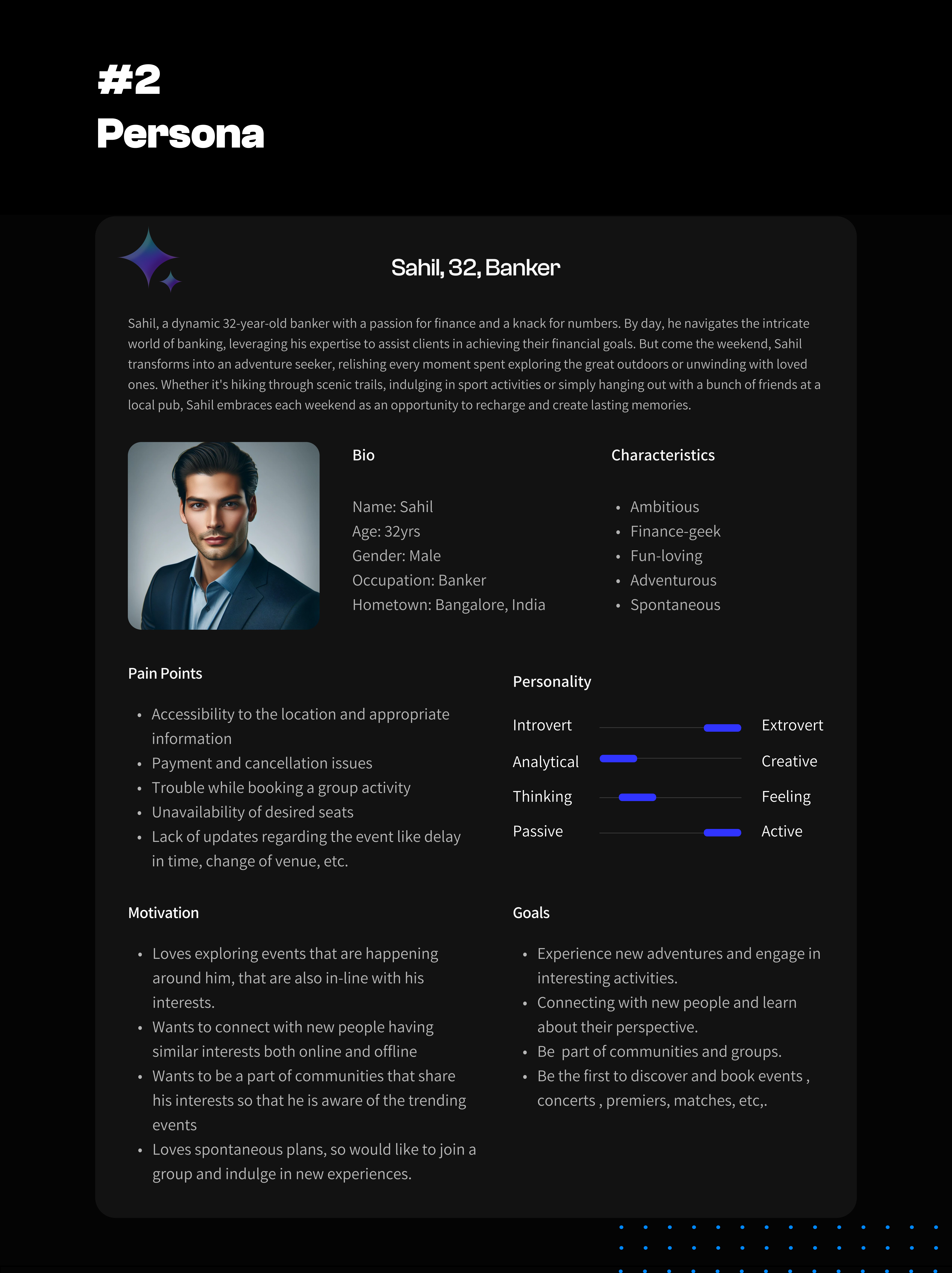
The target users are individuals seeking to join or form consistent social groups ('Tribes') around shared wellness, lifestyle, or professional interests. They range from people looking for one-time events to those seeking to build long-term community connections through repeat engagement.
The Challenge & Opportunity
The opportunity was rooted in solving a market need: existing event platforms were generally transactional and lacked features for social connection or repeat usage in the Wellness & Lifestyle space.
- Market Gap: No dominant platform effectively catered to users seeking to join or form consistent social groups ('Tribes') around shared wellness, lifestyle, or professional interests
- Low Retention Potential: Existing solutions were designed for single-event sales, lacking the sticky features needed to drive high Daily Active Users (DAU) and long-term retention
- The Goal: Define and design a new Minimum Viable Product (MVP) that facilitates easy event discovery and integrates social features from day one, fostering a strong sense of community
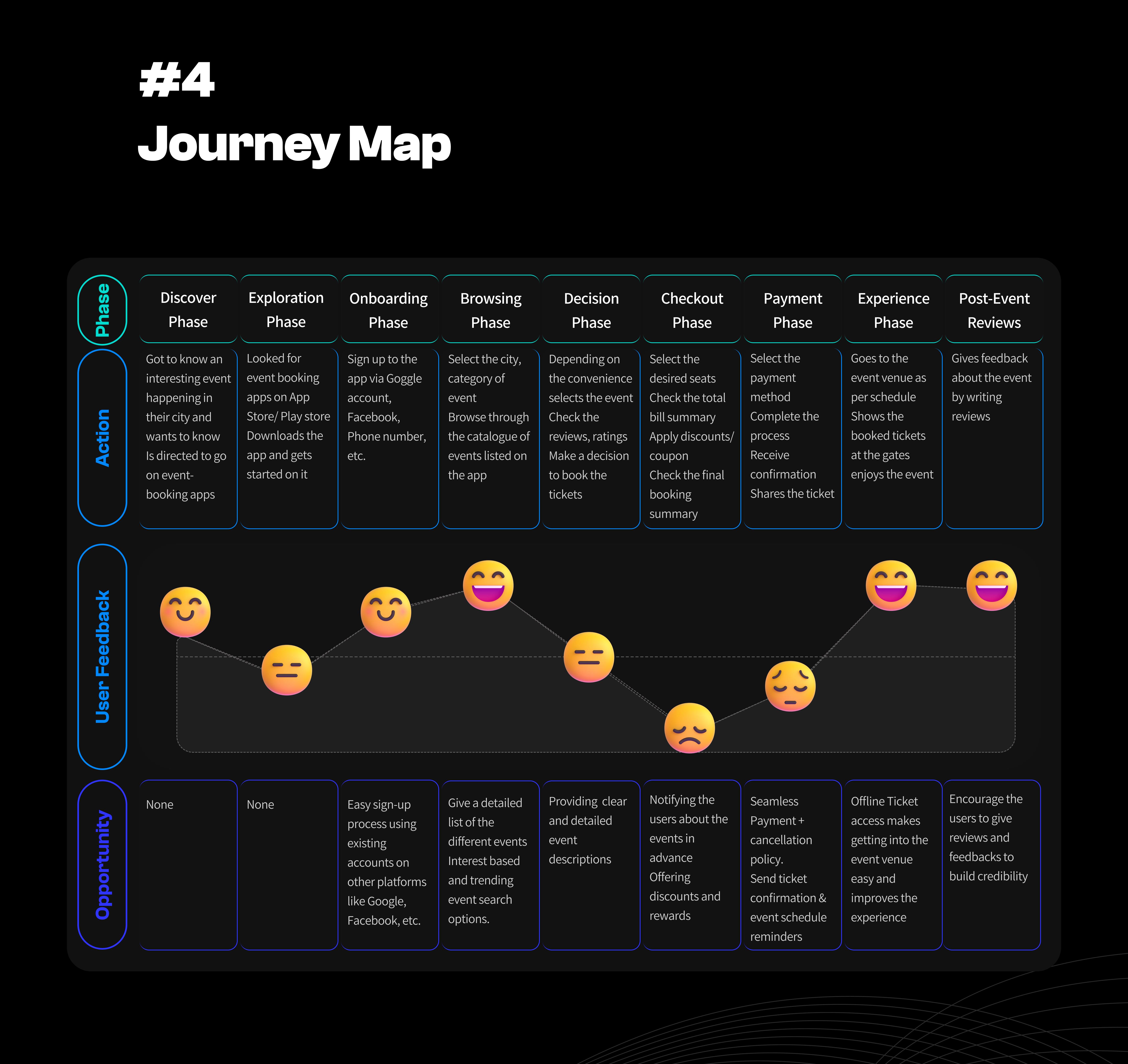
Strategic UX Process Highlights
My process was rooted in deep user understanding, moving from initial market definition to validation of the core experience through comprehensive research and design methods.
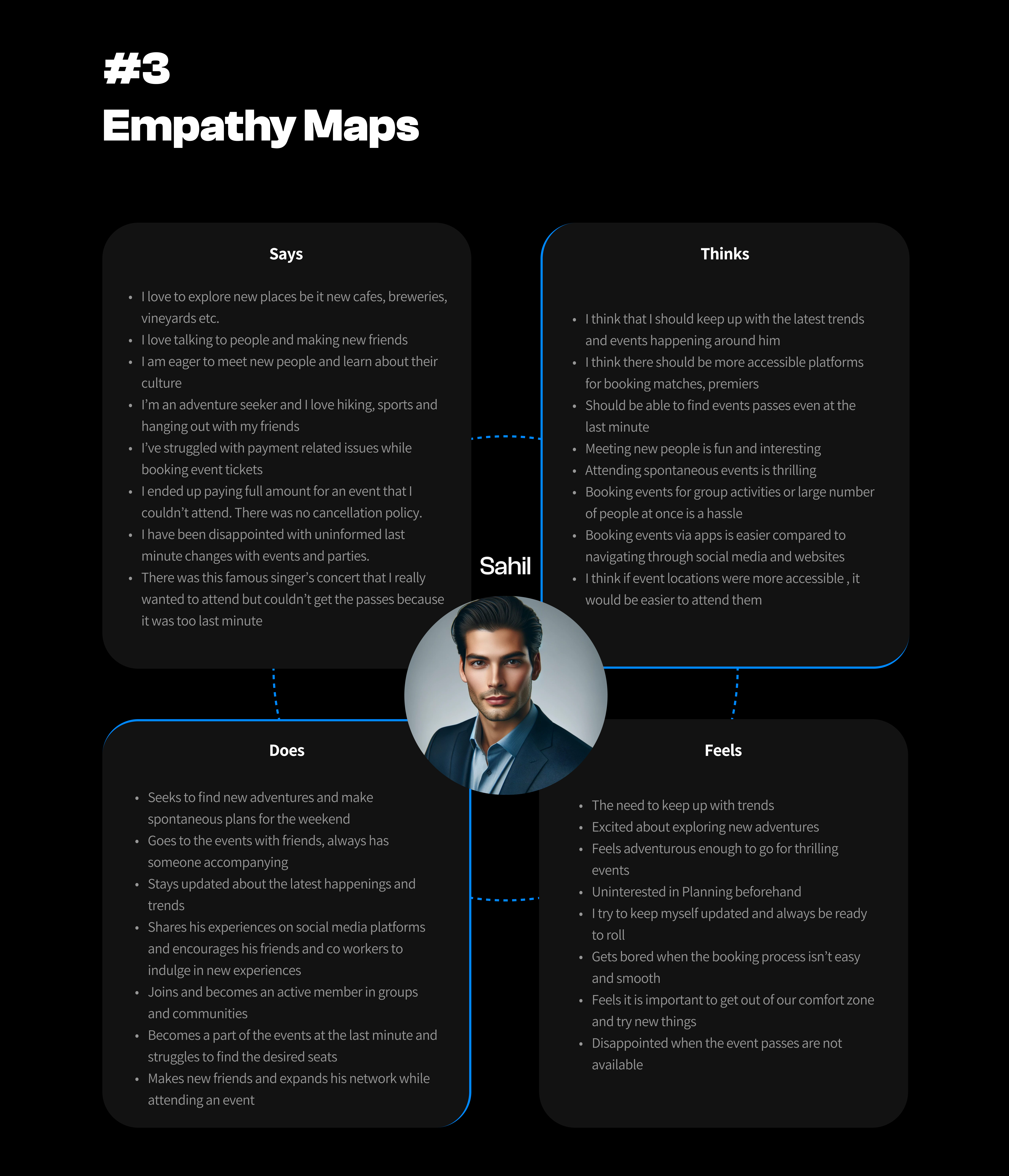
- Discovery & Definition: Competitive Analysis, Qualitative Research, Persona & Empathy Mapping - Defined two key target user segments and their specific emotional pain points/motivations for joining new communities
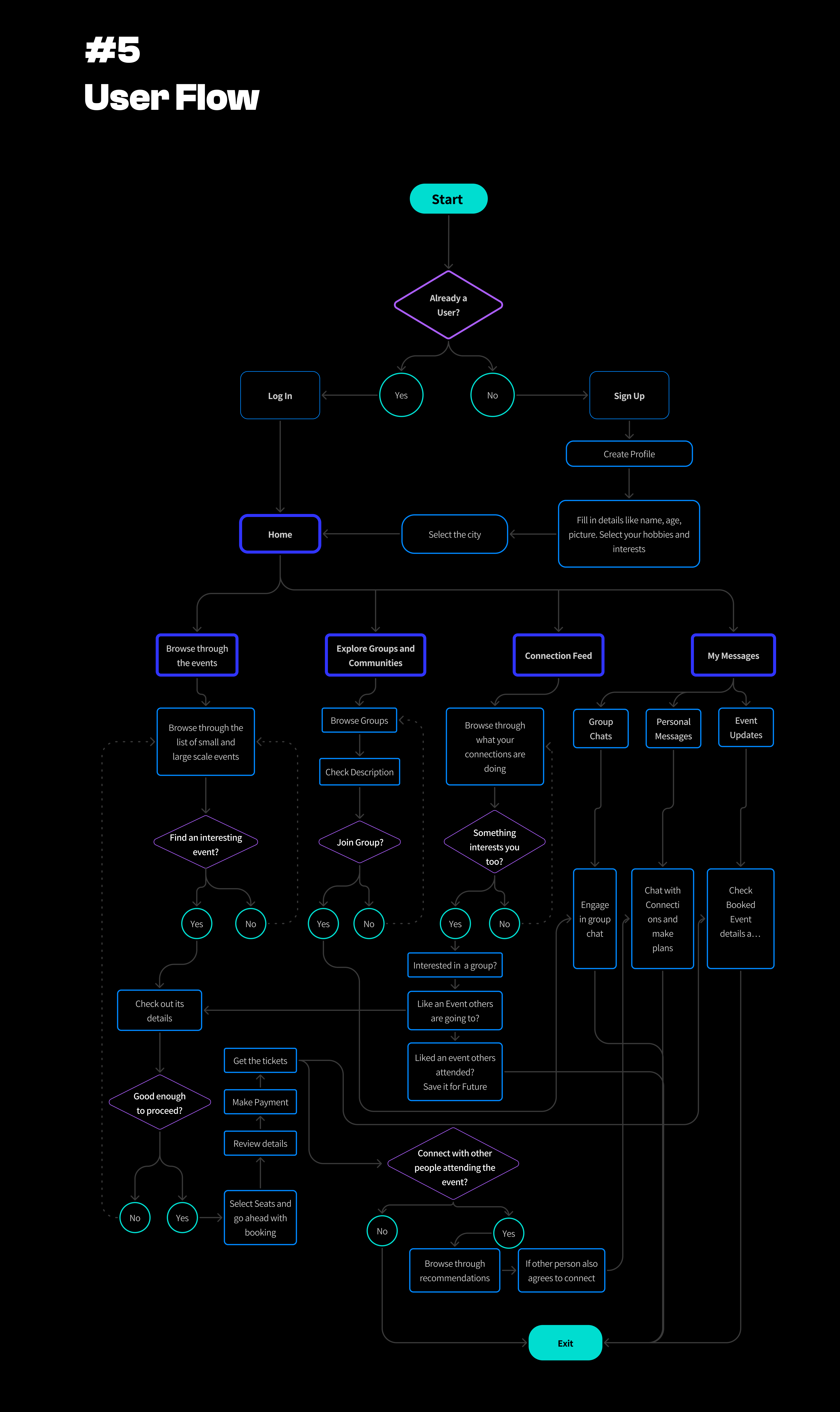
- Information Architecture: Card Sorting & User Flow Mapping - Developed a new, scalable Information Architecture that prioritized event categories based on user mental models, serving as the backbone for the MVP
- Design & Prototyping: Sketch Wireframes, Digital Wireframes (50+ screens) - Focused on high-fidelity designs that addressed the identified user needs, ensuring a consistent and clear visual hierarchy for the new product
- Validation & Iteration: Usability Testing & Feedback - Conducted testing on digital prototypes to identify and eliminate points of confusion in the newly designed booking and community formation flows
Key Design Solutions
The final solution focused on delivering a connected, intuitive event journey for the new app with integrated community-building features.
- Refined Event Discovery: Implemented a new search and filtering paradigm based on Card Sorting results, allowing users to find events not just by date/location, but by interest category and social connection level (e.g., 'Join a Tribe')
- Integrated Community Features: Designed dedicated screens for users to see who else is attending, allowing them to form connections before the event even begins—a critical driver for habit-forming usage
- Simplified Booking Flow: Designed the end-to-end transaction path with minimal steps, incorporating clear progress indicators and confirmation feedback for increased user trust
Outcomes
- Anticipated Conversion: Projected 15%+ event selection completion rate for the MVP, achieved through simplified IA and clear navigation tested against user mental models
- Engagement: Expected rise in Daily Active Users (DAU) and repeat event bookings due to integrated community-building features ('Build Your Tribe' functionality) designed to drive retention
- Usability: Improved task success rate in key flows (e.g., finding and saving an event) based on successful Usability Testing results on the final design
Takeaways
- Deep user understanding through competitive analysis and qualitative research is essential for defining new products
- Information Architecture based on user mental models serves as the backbone for scalable MVP design
- Integrated community features from day one are critical drivers for habit-forming usage and retention